Getting Started in Project Solaris
A practical first-hour plan for Steam PC — from tutorial to your first elite window.
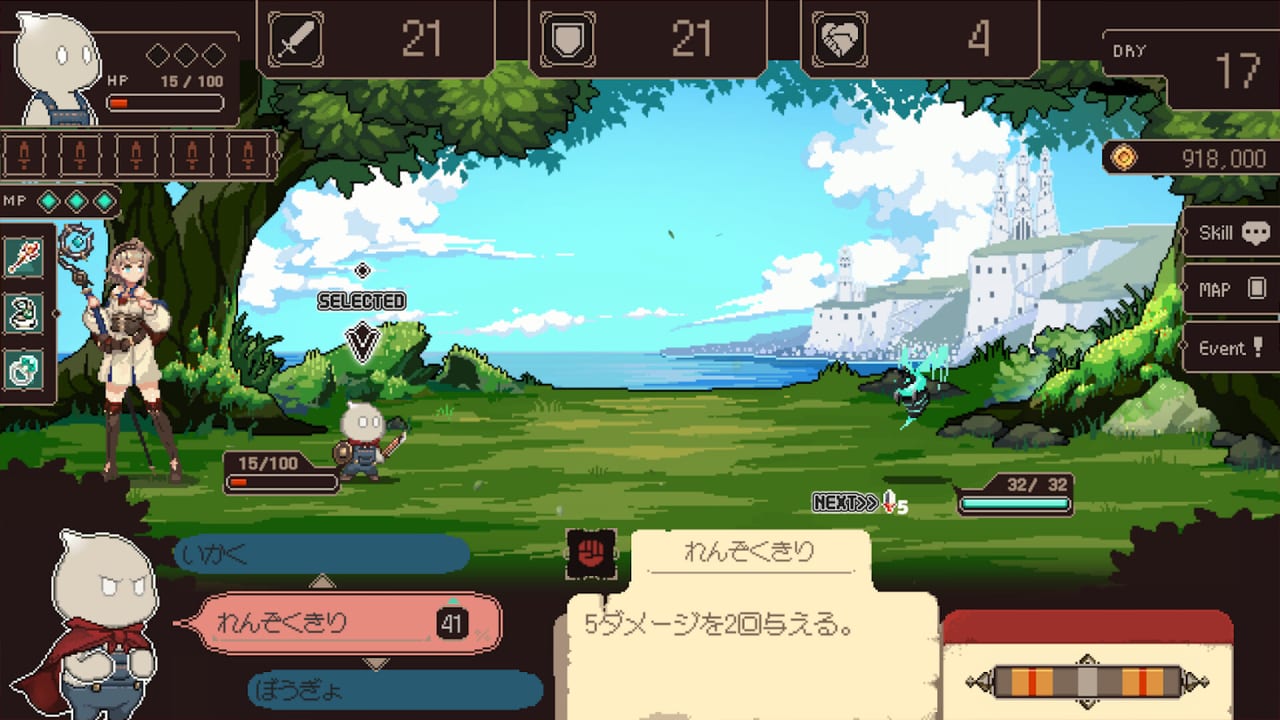
Project Solaris (プロジェクト・ソラリス) is a scenario-driven deck-building roguelite JRPG from Greenhorn, published by IndieArk. You play as Solaris, a failed mage, with your homunculus partner Hom (Steam English) / Homu / ホム. The Steam PC release launched September 20, 2026, with a Switch version planned later. This getting-started guide is for single-player Steam keyboard and mouse play at roughly $9.99 / ¥1,420.
Your job in the first hour is not to “perfect” a build. It is to understand the 100-day calendar, practice commanding Hom through QTE gauges, start growing Trust / Reliability, and decide when to fight versus rest, learn, shopkeep, or socialize. Everything else on this wiki — Controls, Combat QTE, Trust and Bond, 100-Day Strategy, Shopkeeping, and Endings — builds on that foundation.
First-hour checklist
- Finish the onboarding cleanly. Learn how a day advances when you pick one of three action cards. Do not skip reading what Battle, Rest, Learn skill, Shopkeeping, and Social / Development actually do on your save.
- Bind comfort with the UI. Open Controls and confirm click timing for QTEs feels consistent on your mouse. Misses early are normal; black-gauge failures teach the window faster than passive watching.
- Treat Hom as the combat actor. Solaris issues commands; Hom executes with a timing gauge. Yellow is success, red is critical, black or miss is fail. Details live in Combat QTE.
- Start Trust early. Social and Development cards are not “story only.” Reliability makes harder skills land. See Trust and Bond.
- Open a money lane. Either win battles for loot or run Shopkeeping for steadier cash. Crafting priorities differ for Solaris gear versus Hom gear — skim Shopkeeping before you dump gold into random crafts.
- Mark the calendar. Elites pressure around Day 10. Bosses or Trial Ceremonies land about every 20 days. Day 100 is the final Trial. Plan with 100-Day Strategy.
- Meet the cast without spoiling yourself. Classmate Tetia, mother Croisé (also written Croise), shopkeeper August, and Melchior (one of The Three) matter for story and side routes. Browse the Players Hub when you want names without full plot dumps.
- Know the demo exists. Steam demo app 3400280 is ideal for practicing QTEs and the card loop before a full 100-day commitment. The full game lists 85 Steam achievements.
What a “good” early day looks like
A strong early day usually does one clear job:
- Battle when you need combat practice, materials, or confidence before Day 10.
- Rest when Hom or Solaris is strained and you would rather not brick a fight with tired timing.
- Learn skill when a new command would widen your QTE options for elites.
- Shopkeeping when your wallet cannot support the next gear jump.
- Social / Development when Trust is lagging behind your skill unlocks.
Avoid picking cards at random for “flavor.” The three offered options are a deliberate deck-like choice each morning. If two cards look equal, prefer the one that patches your weakest resource: HP / readiness, cash, Trust, or skill coverage.
Combat primer (just enough to survive)
You will lose fights if you only mash for yellow. Harder skills demand better timing and higher Trust. When a telegraph looks nasty, choose a safer command you can land rather than a flashy one you miss. After a few battles, re-read Combat QTE for enemy reads and risk management. Pair that with Controls so click latency and UI focus are not the reason you go black.
Economy primer
Solaris gear tends to be expensive, powerful, and available when you can pay. Hom gear is cheaper to craft in bulk but rolls more random outcomes — match pieces to Hom’s skill flavors instead of chasing raw rarity. Battles pay in spikes; shopkeeping pays in sessions. New players often under-fund Hom crafts and over-buy Solaris showpieces too early. Correct that habit with Shopkeeping.
Story and endings without spoilers
Project Solaris is scenario-driven with multiple endings shaped by choices, milestones, and side stories. You do not need ending charts on Day 1. You do need to notice when Social cards and character scenes appear — those are often the soft gates for later branches. When you are ready for a spoiler-light map of how endings form, open Endings. For investment order after you understand systems, check the Tier List Hub.
Languages and platforms
Steam supports English, Japanese, Simplified Chinese, Traditional Chinese, and Korean. This wiki page is English-focused for the Steam PC audience. Official links include the Steam store for app 3002740, X @tomomana16, Discord, and the project site. Use community spaces for patch chatter; use this wiki for structured systems help.
Suggested reading order after this page
- Controls
- Combat QTE
- Trust and Bond
- 100-Day Strategy
- Shopkeeping
- Endings when you care about branches
Return to the Guides Hub anytime you need the full index. If you only remember three rules from this getting-started guide: pick each day with a purpose, practice Hom’s gauge until yellow feels intentional, and never let Trust or money fall so far behind that Day 10 elites or the first Trial Ceremony ends your run early.
Frequently Asked Questions
Quick answers for Project Solaris players.
What should I do on Day 1 in Project Solaris?
Complete the tutorial, practice at least one Battle so Hom’s QTE feels familiar, then spend a Social or Learn card if Trust or skills lag. Avoid spending every early day only on fights.
Is the demo worth playing first?
Yes. Demo app 3400280 is a low-risk way to learn the daily card loop and QTE timing before committing to a full 100-day campaign.
When is the first major combat spike?
Plan for elite pressure around Day 10 and a boss or Trial Ceremony about every 20 days, with the final Trial on Day 100.
Should I buy Solaris gear or craft Hom gear first?
Early on, keep enough cash for one meaningful Solaris purchase while crafting Hom pieces that match your active skills. See the Shopkeeping guide for priorities.
Where do I learn QTE colors?
Yellow is success, red is critical, black or miss is failure. The Combat QTE guide covers timing, telegraphs, and how Trust softens hard skills.